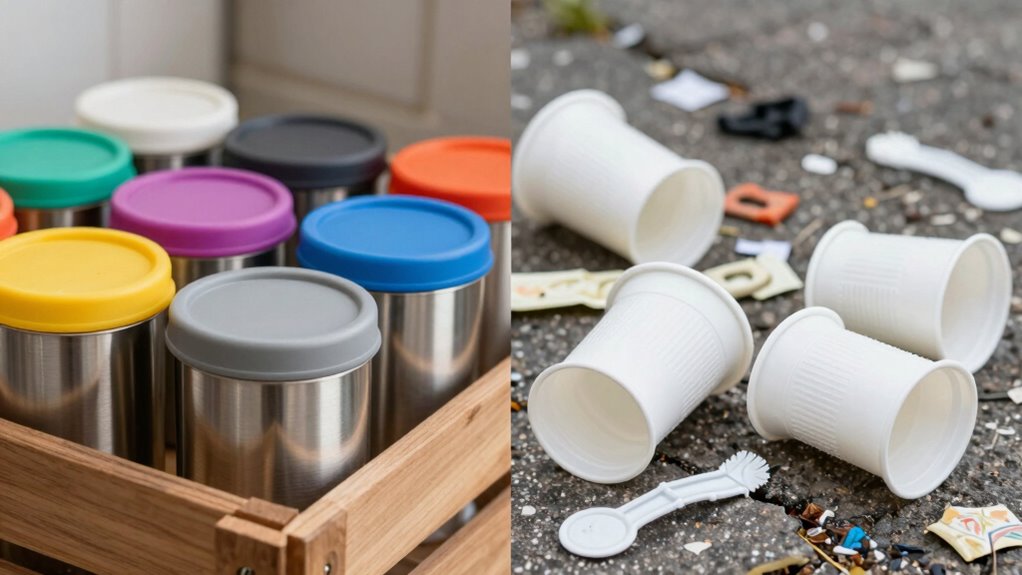

Choosing reusable systems over disposable convenience helps you cut down waste and protect the environment. Reusables lower your long-term costs, reduce landfill overflow, and support sustainable habits that benefit everyone. They encourage mindful consumption and responsible lifestyles, making a real difference in resource conservation. Though it takes a little effort at first, the long-term benefits are worth it. Stay with us, and you’ll discover how these small changes can create a bigger environmental impact.
Key Takeaways
- Reusable systems significantly reduce waste and environmental pollution compared to single-use disposables.
- Over time, reusables are more cost-effective, lowering ongoing purchase and waste management expenses.
- They promote sustainable habits and environmental responsibility, encouraging mindful consumption.
- Reusables support resource conservation and help mitigate climate change impacts.
- Though initially effortful, they foster long-term behavioral shifts toward eco-friendly lifestyles.
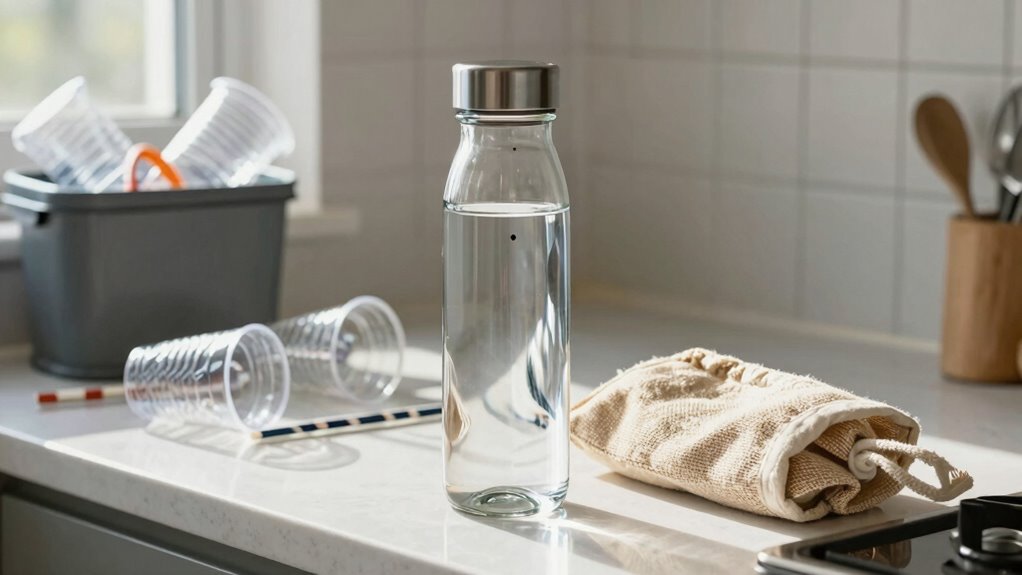
In today’s fast-paced world, choosing between reusable systems and disposable convenience often boils down to balancing environmental impact with practicality. Reusables might require a bit more effort upfront, but they pay off over time. When you opt for reusable items, you significantly reduce waste, which benefits the environment by decreasing landfill overflow and lowering pollution. This environmental impact is a compelling reason to choose reusables, especially as awareness about climate change and resource depletion grows. Every time you use a reusable product, you’re making a conscious decision to minimize single-use plastics and other disposable materials that take centuries to decompose. The cumulative effect of these choices can lead to a substantial positive impact on the planet. Additionally, adopting sustainable practices like using reusable systems can foster a greater sense of environmental responsibility. Incorporating reusable systems also supports resource conservation, which is vital for maintaining ecological balance. Understanding the long-term benefits of reusables can motivate more consistent use and help build habits that support sustainability. Using reusable items can also decrease your reliance on supply chains that often contribute to carbon emissions, further benefiting the environment. Cost efficiency is another major advantage that often gets overlooked. While disposable products seem cheaper at first glance, their ongoing purchase costs quickly add up. Think about the money you spend on single-use coffee cups, water bottles, or takeaway containers. Reusable alternatives, like a sturdy coffee mug or a durable water bottle, require an initial investment but save you money in the long run. Over time, the cost per use drops dramatically, making reusables far more economical. Plus, many reusable items are designed to last for years, so you’re not constantly replenishing supplies. This financial benefit becomes even clearer when you factor in the hidden costs of disposables, such as the environmental cleanup and waste management expenses borne by communities and governments. Choosing reusable systems not only helps you cut expenses but also contributes to reducing the overall burden on waste management infrastructure. Incorporating environmentally friendly habits into your routine can further enhance these benefits. Beyond financial and environmental aspects, reusable systems promote a mindset of sustainability. They encourage you to think about your consumption habits and foster a more mindful approach to daily choices. When you bring your own reusable bags, containers, or utensils, you’re actively participating in reducing unnecessary waste. This shift in behavior can inspire others around you to do the same, creating a ripple effect that amplifies the positive impact. While disposable options may seem convenient, they often lead to a cycle of constant purchasing and disposal, which is neither sustainable nor practical in the long run. Reusable systems require a bit more effort initially, but they embed habits that support environmental health and personal savings. Ultimately, choosing reusables over disposables aligns your daily routine with values of sustainability, efficiency, and responsibility.

Owala SmoothSip Slider Insulated Stainless Steel Coffee Tumbler, Reusable Iced Coffee Cup, Hot Coffee Travel Mug, BPA Free 12 oz, Vanilla Bean
12-ounce insulated stainless-steel tumbler with a completely leak-proof lid
As an affiliate, we earn on qualifying purchases.
As an affiliate, we earn on qualifying purchases.
Frequently Asked Questions
Are Reusable Systems More Cost-Effective Long-Term Than Disposables?
Yes, reusable systems are more cost-effective long-term because of their durability and lower ongoing expenses. While disposables might seem cheaper initially, you’ll spend more on replacements over time. Reusables offer significant cost savings by reducing waste and needing fewer purchases. Plus, their product durability means they last longer, saving you money and helping the environment. Over time, investing in reusable systems proves to be a smarter, more economical choice.
How Do Reusable Systems Impact Environmental Sustainability Compared to Disposables?
You reduce your environmental footprint considerably with reusable systems because they promote resource conservation by minimizing waste. Unlike disposables, which are discarded after one use, reusables are designed for multiple uses, cutting down on landfill contributions. This sustainable approach helps conserve raw materials, reduces pollution, and lowers energy consumption involved in manufacturing and disposal processes. By choosing reusables, you’re actively supporting a healthier planet and promoting long-term environmental sustainability.
What Safety Standards Apply to Reusable Versus Disposable Products?
You must guarantee reusable and disposable products meet safety standards through material regulations and certification requirements. Reusable systems often require stricter material regulations to prevent contamination, and certifications like FDA or NSF ensure safety and hygiene. Disposables, while also regulated, typically have less rigorous standards due to single-use design. Always verify that your products comply with relevant safety standards to protect users and maintain quality, regardless of the product type.
How Can Consumers Effectively Transition to Reusable Systems?
To embrace reusable systems, you should focus on gradual behavior change, making the change feel more natural. Start by familiarizing yourself with the new products, understanding their benefits and proper use. Keep an open mind and be patient as you adapt. Over time, you’ll develop routines that incorporate reusables seamlessly, reducing waste and enjoying the environmental benefits. Consistency and curiosity are your best friends in this shift.
Do Reusable Systems Require Special Maintenance or Cleaning?
Reusable systems do require some special maintenance and cleaning, but it’s straightforward. You should follow proper cleaning protocols, like washing with soap and water after each use, and occasionally disinfect them to guarantee hygiene. Maintenance routines might include checking for wear and tear, replacing parts when necessary, and keeping the items in good condition. These simple steps help extend the life of your reusable system and keep it safe for repeated use.
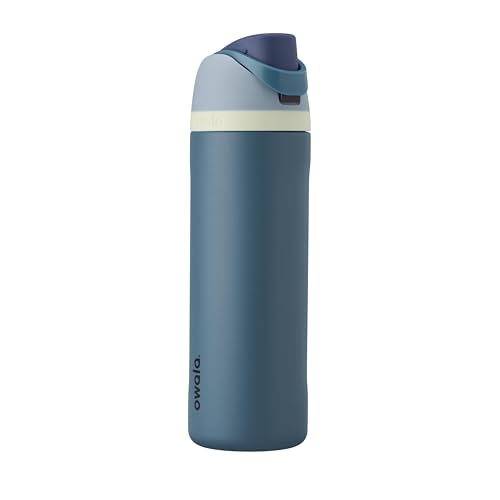
Owala FreeSip Insulated Stainless Steel Water Bottle with Straw, BPA-Free Sports Water Bottle, Great for Travel, 24 Oz, Denim
24-ounce insulated stainless-steel water bottle with a FreeSip spout and push-button lid with lock
As an affiliate, we earn on qualifying purchases.
As an affiliate, we earn on qualifying purchases.
Conclusion
Switching to reusable systems is like planting seeds for a greener future—you invest upfront, but reap lasting benefits. Disposable convenience might seem easier now, but it’s like trying to hold water in your hands—slippery and fleeting. By choosing reusables, you’re not just saving the environment; you’re building a legacy that endures. So, make the switch today and watch your impact grow—because sustainability isn’t a trend, it’s a way of life.

50-Pack Reusable Meal Prep Containers Microwave Safe Food Storage Containers with Lids, 28 oz – 1 Compartment Take Out Disposable Plastic Bento Lunch Box To Go, BPA Free – Dishwasher & Freezer Safe
🍱SINGLE 1 COMPARTMENT MEAL PREP CONTAINERS, LEAK PROOF, STRONG DURABLE CONSTRUCTION – Advance meal prep containers, diet portion…
As an affiliate, we earn on qualifying purchases.
As an affiliate, we earn on qualifying purchases.

FMP Brands Eco Biodegradable Plastic Grocery Bags – 100 Count with Handles, Thank You T-Shirt Shopping Bags Bulk for Small Business, Restaurant, Groceries, Supermarket
Value Pack and Tear-Resistance: Made in USA, these biodegradable t-shirt bags come in 100 pack with dimensions of…
As an affiliate, we earn on qualifying purchases.
As an affiliate, we earn on qualifying purchases.