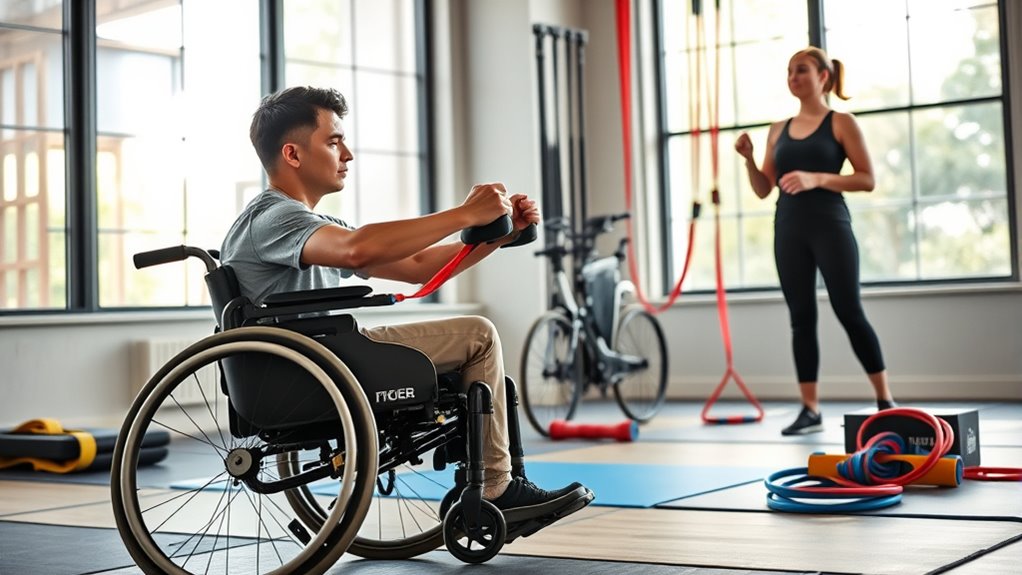

Adaptive exercise offers accessible, tailored fitness options that improve your physical and mental health. It helps manage chronic conditions, boosts strength, and enhances independence while supporting emotional well-being. Despite barriers like limited equipment and inaccessible gyms, community programs, certified trainers, and technological innovations are making it easier to participate. Exploring these solutions can open new opportunities for inclusive exercise—stay with us to discover how you can get started and thrive.

Get the little things that make your day delivered free — and shop member deals
- Fast, free delivery on millions of items
- Access to Prime Big Deal Days deals on October 6–7
- Prime Video, Amazon Music and more included
Key Takeaways
- Adaptive exercise programs tailor workouts to individual abilities, promoting health, independence, and mental well-being for people with disabilities.
- Barriers such as inaccessible facilities and lack of adaptive equipment can hinder participation; community and policy efforts aim to address these issues.
- Specialized training and certification for instructors ensure safe, effective, and inclusive fitness experiences for individuals with diverse needs.
- Technological innovations like adaptive equipment, virtual reality, and wearable sensors enhance accessibility and personalized workouts.
- Increasing awareness, community programs, and industry growth are expanding opportunities and participation in adaptive fitness.
adaptive exercise equipment for disabilities
As an affiliate, we earn on qualifying purchases.
As an affiliate, we earn on qualifying purchases.
The Importance of Adaptive Exercise for Health and Well-Being
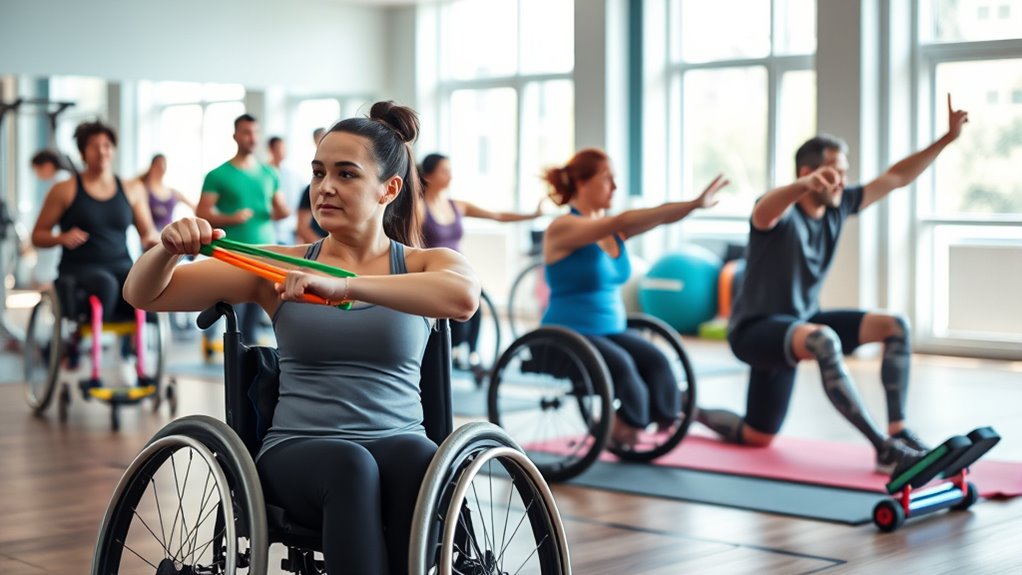
Adaptive exercise plays a crucial role in improving health and well-being for people with disabilities by addressing specific physical limitations and health risks. It helps reduce the likelihood of obesity, which is 66% higher among adults with mobility disabilities, lowering cardiovascular and mental health risks. Engaging in tailored programs like high-intensity functional training (HIFT) can boost strength, cardiovascular health, and overall vitality despite mobility challenges. Regular adaptive activity also alleviates fatigue, improves balance, and can prevent further health decline. Participation in adaptive sports and exercise fosters mental well-being and enhances quality of life. Supported by organizations like the CDC, adaptive exercise promotes health equity, empowers individuals, and helps diminish disparities faced by people with disabilities in maintaining an active lifestyle. Properly selected exercises can also incorporate specialty equipment to maximize safety and effectiveness.
As an affiliate, we earn on qualifying purchases.
Participation Trends and Physical Activity Recommendations for Adults With Disabilities
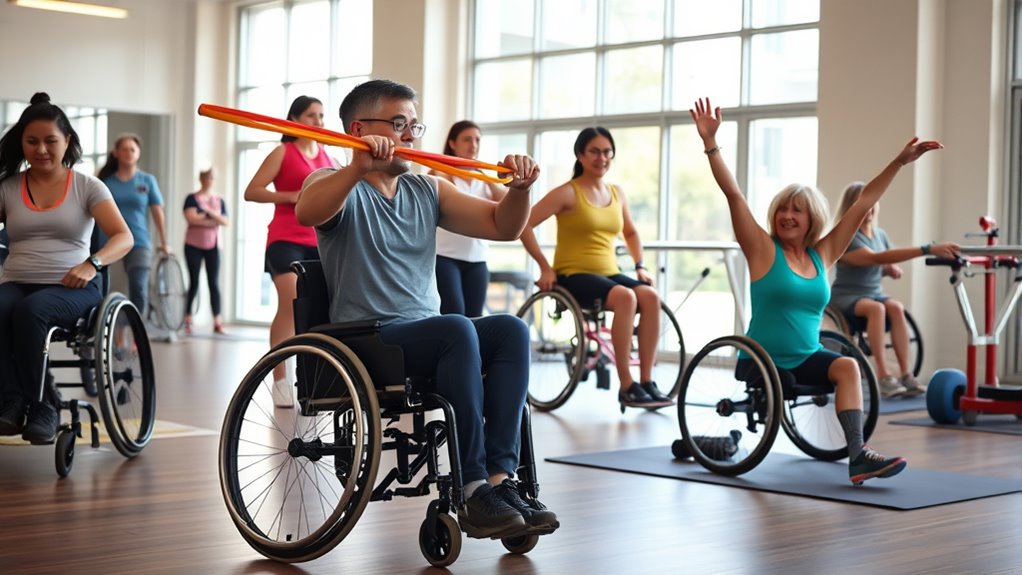
Despite the clear benefits of physical activity, participation rates among adults with disabilities remain low; only about 40% engage in aerobic exercise regularly. Many face barriers like limited access to adaptive equipment, inaccessible gyms, and lack of tailored programs. The Physical Activity Guidelines for Americans recommend 150 minutes of moderate or 75 minutes of vigorous aerobic activity weekly, along with muscle-strengthening exercises twice a week. However, only 14% of adults with disabilities meet both guidelines, highlighting a significant gap. To improve participation, community programs like EnhanceFitness and Scale Back Alabama aim to provide accessible, evidence-based options. Increasing awareness, professional training, and supportive policies are essential to promote active lifestyles and close the participation gap for adults with disabilities.
wearable sensors for adaptive fitness
As an affiliate, we earn on qualifying purchases.
As an affiliate, we earn on qualifying purchases.
Overcoming Barriers to Accessing Adaptive Fitness Opportunities
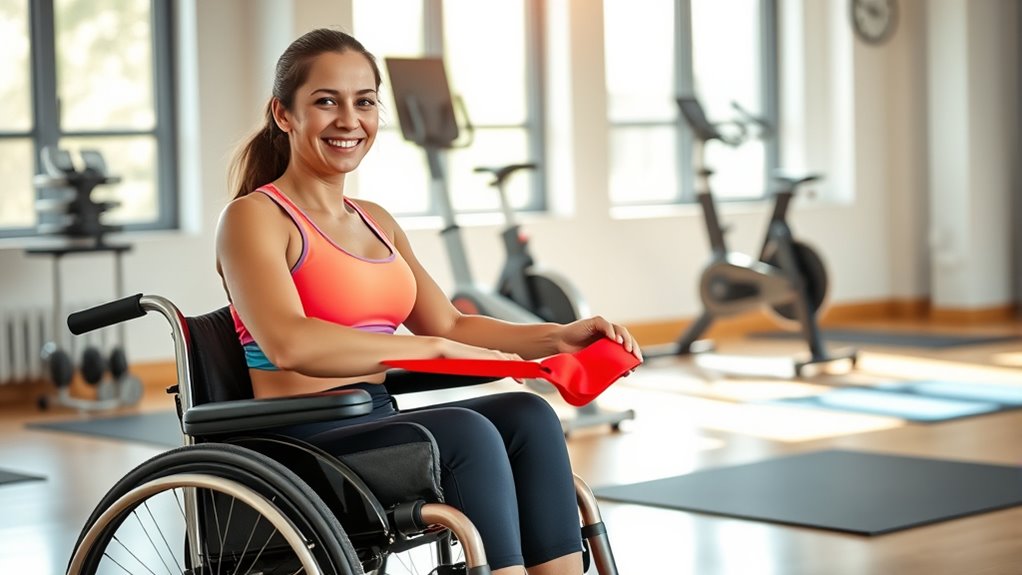
Many barriers prevent people with disabilities from accessing adaptive fitness opportunities, and addressing these obstacles is essential for increasing participation. Accessibility issues, such as the lack of adaptive equipment and physically accessible facilities, are common challenges in gyms and community centers. Psychological barriers like low self-esteem, fear of judgment, and negative body image also deter many from trying adaptive exercise. Cost remains a significant hurdle, as adaptive equipment and specialized staff often come with higher expenses. To overcome these barriers, you need advocacy for inclusive policies, improved facility design, and affordable programs. Raising awareness about adaptive fitness benefits can also boost demand. Collaborating with community organizations, trainers, and policymakers creates a more welcoming environment, making adaptive exercise accessible and appealing to everyone. Additionally, understanding ethical hacking principles can help organizations better protect sensitive health data, ensuring privacy and security for all participants.
virtual reality adaptive workout
As an affiliate, we earn on qualifying purchases.
As an affiliate, we earn on qualifying purchases.
Training and Certification Initiatives for Fitness Professionals in Adaptive Exercise
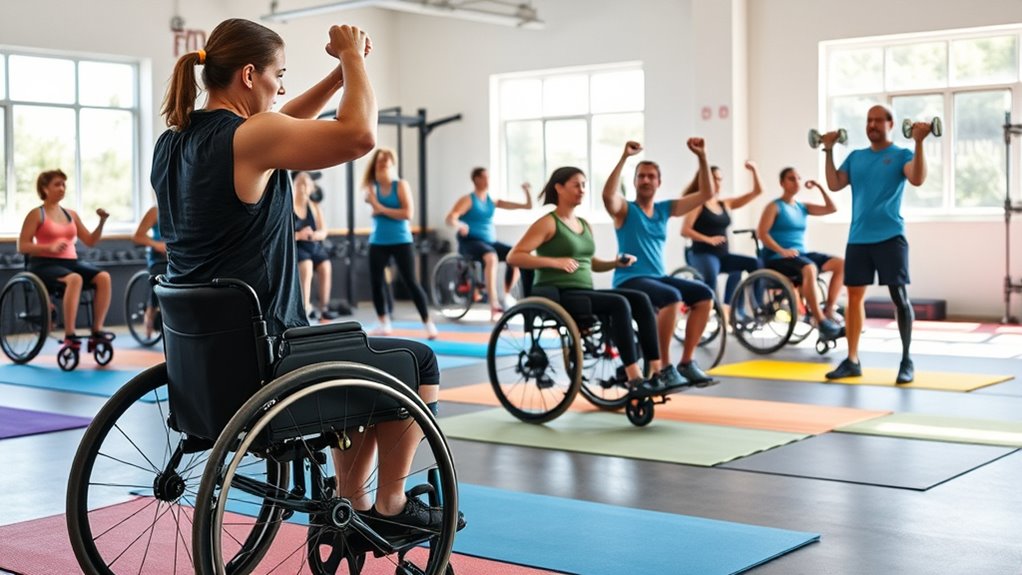
To expand access to adaptive fitness opportunities, the fitness industry is developing specialized training and certification programs for professionals. Organizations like ACSM offer certificates such as the Autism Exercise Specialist and Inclusive Fitness Specialist, equipping trainers with skills to adapt programs for various disabilities. These certifications emphasize evidence-based practices, communication strategies, and safety considerations, guaranteeing trainers can create inclusive environments. By pursuing these credentials, you’ll gain the confidence to design tailored workouts that address individual needs, promote engagement, and foster social connections. Investing in professional development helps break down barriers, combats ableism, and guarantees that people with disabilities receive quality, accessible fitness guidance. Incorporating leadership skills such as effective communication and strategic planning into certification programs ensures trainers can advocate for inclusivity and champion accessible fitness initiatives. As the demand for adaptive exercise grows, certified professionals will play a crucial role in making fitness truly inclusive.
Community-Based Programs Supporting Inclusive Physical Activity

Community-based programs play a vital role in making inclusive physical activity accessible to people with disabilities. These programs partner with local organizations to offer tailored exercise options, ensuring barriers like transportation, cost, and equipment are minimized. They often feature trained instructors who understand adaptive techniques and foster supportive environments, encouraging participation and confidence. Initiatives like EnhanceFitness and adaptive sports leagues create opportunities for social interaction while promoting health. Small group classes and community events focus on individual needs, helping participants build strength, balance, and endurance. Collaboration between disability advocates, healthcare providers, and public health departments expands outreach and resources. By emphasizing inclusivity and accessibility, these programs help bridge the participation gap and empower people with disabilities to enjoy the benefits of regular physical activity.
State and Local Efforts to Promote Adaptive Fitness
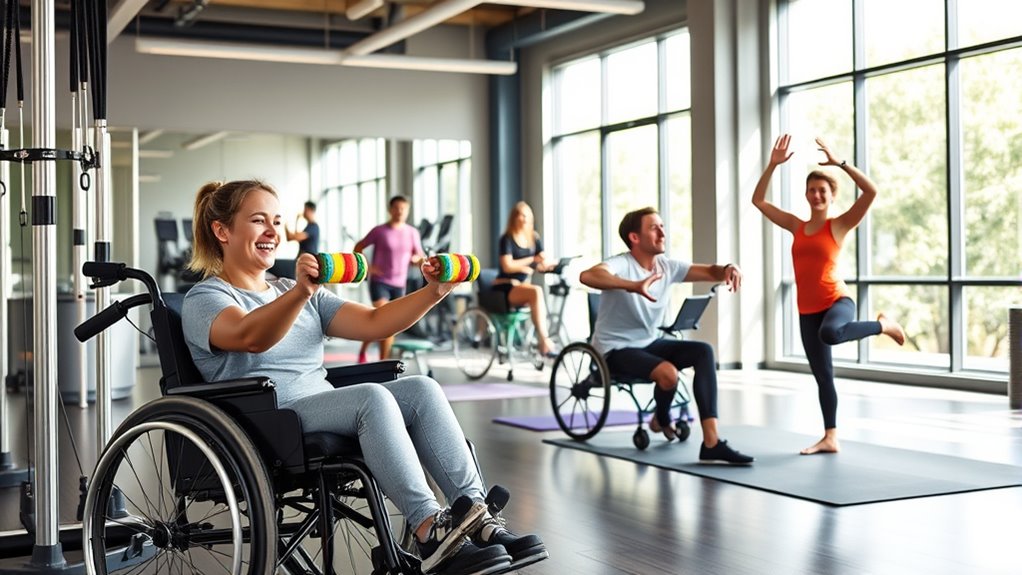
State and local agencies are actively implementing initiatives to expand access to adaptive fitness programs. They partner with organizations to develop evidence-based activities and increase community awareness. These programs target adults with developmental, cognitive, and mobility disabilities, ensuring inclusivity. Funding often supports training for instructors specializing in adaptive exercise. Community collaborations foster broader outreach and resource sharing. To illustrate, here’s a snapshot of key efforts:
| Program Name | Target Group | Focus Area |
|---|---|---|
| Scale Back Alabama | Adults with disabilities | Group physical activity |
| EnhanceFitness | Seniors and disabled | Cardio and strength training |
| Adaptive Athletes | Athletes with disabilities | High-intensity workouts |
| Inclusive Fitness | Broad disability spectrum | Customized fitness plans |
| Move to Improve | Youth and adults | Adaptive sports and routines |
These initiatives help reduce barriers and promote healthier, more active lifestyles. Efforts to promote adaptive fitness are essential for fostering community health and ensuring equitable access to exercise opportunities.
Impact of Adaptive Exercise on Physical and Mental Health Outcomes
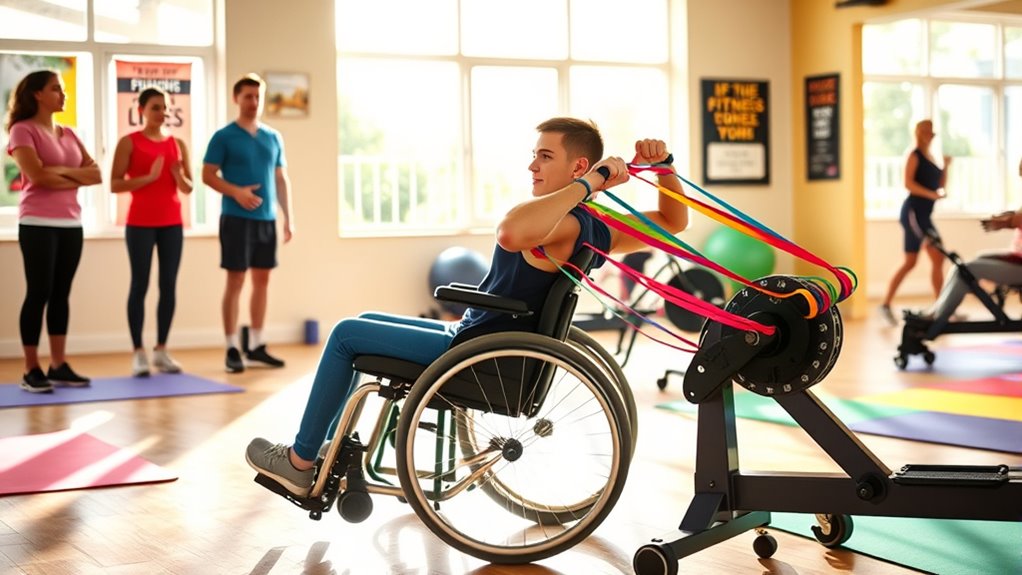
Adaptive exercise has a significant positive impact on both physical and mental health outcomes for people with disabilities. It helps improve strength, cardiovascular health, and balance, reducing the risk of secondary health issues like obesity and cardiovascular disease. Regular participation can also decrease fatigue and enhance overall physical functioning, preventing further decline. Mentally, adaptive exercise boosts mood, self-esteem, and quality of life by fostering a sense of achievement and social connection. Engaging in tailored physical activities can reduce feelings of isolation and depression, common among individuals with disabilities. Even moderate activity offers benefits, making adaptive exercise a crucial component of health management. Incorporating remote hackathons can facilitate access to innovative adaptive exercise solutions and foster community support. Overall, it empowers you to improve health outcomes, maintain independence, and enhance emotional well-being.
Market Potential and Growth of Adaptive Fitness Solutions
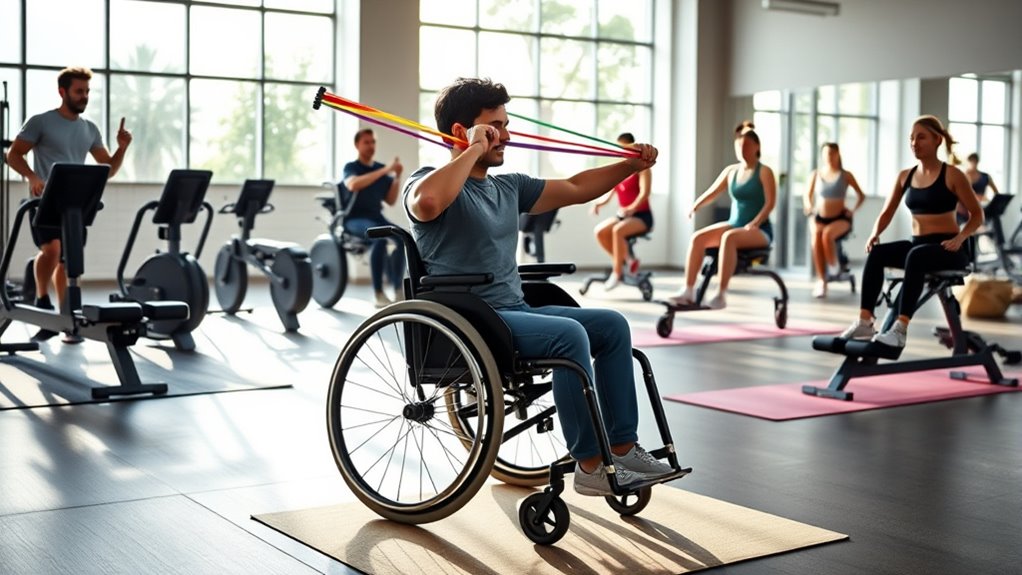
The adaptive fitness market is poised for significant growth as awareness of inclusive health solutions increases. Industry investments are rising, driven by a need to develop accessible equipment and specialized training programs. This expanding sector offers promising opportunities for innovation and broader participation among people with disabilities. Additionally, incorporating aesthetic wall organization solutions can enhance gym environments, making them more welcoming and motivating for users.
Market Expansion Opportunities
As awareness of the importance of inclusive fitness grows, the market for adaptive fitness solutions is poised for significant expansion. You have opportunities to tap into a growing demand by:
- Developing innovative adaptive equipment tailored to various disabilities, making exercise more accessible.
- Partnering with healthcare providers and community organizations to reach underserved populations.
- Expanding professional training programs to ensure qualified staff can deliver inclusive, effective workouts.
- Recognizing the potential for market growth as the demand for adaptive fitness options continues to rise.
These strategies will help meet the rising need for specialized fitness options. As the industry broadens, you’ll see increased investment and interest from gyms, clinics, and wellness programs. Embracing these expansion opportunities positions you at the forefront of an inclusive fitness revolution, driving growth and improving lives.
Industry Investment Trends
Growing awareness of the importance of inclusive fitness is fueling significant investment in adaptive fitness solutions. The global market for adaptive fitness was valued at around $2 billion in 2022 and is expected to grow rapidly as demand increases. Industry stakeholders recognize that tailored programs not only serve a critical social purpose but also present substantial economic opportunities. Companies are investing in innovative adaptive equipment, technology, and professional training programs to meet the needs of diverse populations. Certification programs, like those from ACSM, help improve service quality and credibility, attracting more clients. As awareness spreads and barriers decrease, you’ll see more mainstream gyms and organizations expanding their adaptive offerings. Additionally, incorporating high-quality projectors and accessible audiovisual systems can significantly enhance the engagement and experience of adaptive fitness programs. This trend promises a robust future, with ongoing innovation driving accessibility, participation, and market growth.
Technological Innovations Enhancing Accessibility in Fitness Settings
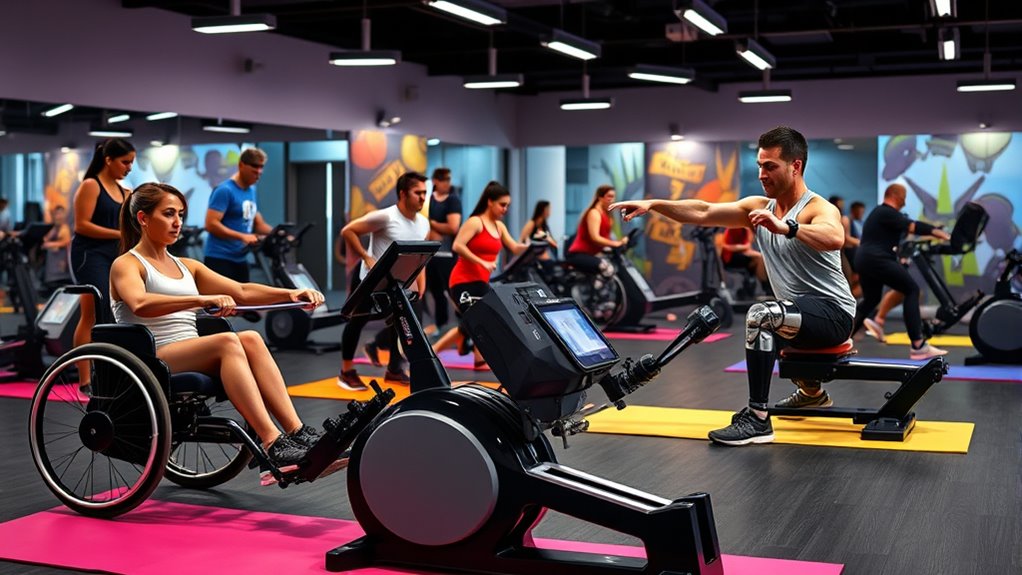
Technological innovations are transforming fitness environments by making exercise more accessible for people with disabilities. You now benefit from tools that break down physical barriers and create personalized experiences.
- Adaptive equipment, like motorized wheelchairs with built-in resistance, allows you to engage in strength training safely and effectively.
- Virtual reality and augmented reality systems provide immersive workouts tailored to your abilities, boosting motivation and engagement.
- Wearable sensors and apps monitor your performance, offering real-time feedback and adjustments to optimize your workout.
These innovations enable you to participate more independently, ensuring safety and comfort. They help you overcome traditional obstacles, making fitness more inclusive and adaptable to your unique needs. As technology advances, your access to tailored, effective exercise options continues to grow.
Strategies for Expanding Opportunities and Participation in Adaptive Exercise
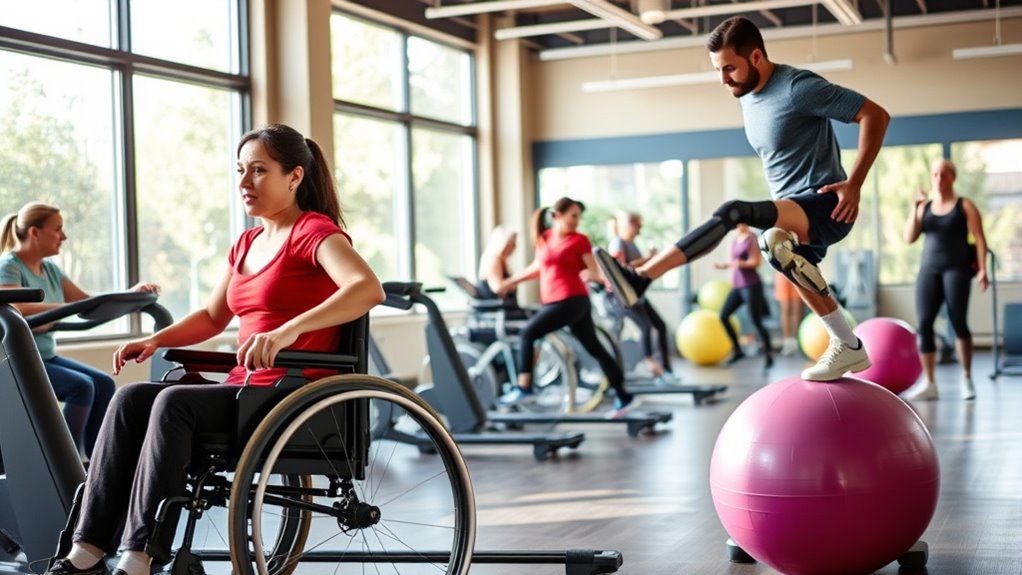
Expanding opportunities and increasing participation in adaptive exercise require targeted strategies that address existing barriers and promote inclusivity. First, improve accessibility by partnering with gyms and community centers to ensure adaptive equipment and facilities are available. Offering training for staff on disability awareness and adaptive techniques encourages welcoming environments. Second, develop community-based programs tailored to various disabilities, focusing on engaging and inclusive activities. Third, promote awareness through outreach campaigns highlighting success stories and benefits of adaptive exercise, reducing psychological barriers like low self-esteem. Fourth, incorporate jet boats into adaptive water-based activities to provide alternative therapeutic and recreational options for individuals with disabilities. Finally, advocate for policy changes that incentivize gyms to invest in adaptive equipment and inclusive programs. By removing obstacles and fostering supportive environments, you can help more people with disabilities enjoy the health and social benefits of adaptive exercise.
Frequently Asked Questions
How Can I Find Adaptive Exercise Programs in My Community?
To find adaptive exercise programs in your community, start by checking with local disability organizations, community centers, or public health departments. Look for programs like EnhanceFitness or Adaptive Athletes in Motion, which are often advertised online or through social media. You can also ask your healthcare provider or fitness professionals trained in adaptive fitness for recommendations. Don’t hesitate to reach out; many programs are tailored to meet your specific needs.
What Funding Options Are Available for Adaptive Fitness Equipment?
You can explore funding options like grants from local, state, or federal agencies dedicated to health and disability services. Nonprofits and community organizations often have funding opportunities or equipment donation programs. Some private foundations and corporate sponsorships provide financial support specifically for adaptive fitness equipment. Additionally, check if your insurance or Medicaid covers adaptive devices or equipment, and consider crowdfunding platforms to raise funds for your specific needs.
Are There Specific Certifications for Personal Trainers Working With Disabilities?
Yes, there are specific certifications for personal trainers working with disabilities. You can pursue the ACSM’s Autism Exercise Specialist Certificate, which trains you to develop evidence-based routines for individuals with autism. Additionally, the Inclusive Fitness Specialist Certificate prepares you to modify fitness programs for a broad range of disabilities. These certifications enhance your skills, promote inclusivity, and guarantee you provide safe, effective, and tailored exercise experiences for clients with diverse needs.
How Can Gyms Become More Accessible and Inclusive for People With Disabilities?
You can make gyms more accessible and inclusive by installing adaptive equipment, ensuring doorways and pathways are wheelchair-friendly, and providing clear signage. Train staff in inclusive practices and certified adaptive fitness techniques to offer supportive guidance. Offer programs tailored to diverse needs and promote a welcoming environment that encourages participation. Collaborate with disability organizations to understand barriers and continually improve accessibility, making everyone feel comfortable and included in your gym.
What Are the Best Ways to Motivate Someone With a Disability to Exercise?
To motivate someone with a disability to exercise, start by understanding their interests and goals, then tailor activities to their abilities. Use positive reinforcement, celebrate small achievements, and provide encouragement. Make exercise enjoyable with fun routines or adaptive sports, and create a supportive environment. Show them the health benefits, like increased energy and confidence, to inspire ongoing participation and help them see exercise as a rewarding part of their life.
Conclusion
Embracing adaptive exercise not only enriches your health but also fosters inclusivity. While some may worry about complexity or cost, advancements in technology and community programs make access more feasible than ever. By prioritizing adaptive fitness, you can enjoy improved physical and mental well-being without unnecessary barriers. Remember, everyone deserves the chance to move and thrive—adapted or not—so taking action now benefits both your life and the broader community.
NFL season / tailgating Picks
team gear
As an affiliate, we earn on qualifying purchases.