
Loving-kindness meditation helps you cultivate compassion by guiding you to silently repeat kind phrases like “May I be happy” and gradually extend these feelings toward others, including difficult people. This practice boosts positive emotions, reduces stress, and strengthens brain regions linked to empathy. It also fosters better relationships and emotional resilience over time. By practicing consistently, you can develop a more compassionate mindset that benefits both your inner well-being and social connections; understanding more comes from exploring these techniques further.

Get the little things that make your day delivered free — and shop member deals
- Fast, free delivery on millions of items
- Access to Prime Big Deal Days deals on October 6–7
- Prime Video, Amazon Music and more included
Key Takeaways
- Loving-kindness meditation involves silently repeating phrases to cultivate unconditional compassion for oneself and others.
- Regular practice boosts positive emotions, reduces stress, and enhances emotional resilience and social connection.
- It activates brain regions linked to empathy and emotional processing, promoting feelings of warmth and understanding.
- The practice nurtures qualities like forgiveness, patience, and generosity, strengthening personal growth and relationships.
- Incorporating LKM into daily life or therapy can deepen compassion and improve overall mental well-being.
loving-kindness meditation cushion
As an affiliate, we earn on qualifying purchases.
As an affiliate, we earn on qualifying purchases.
Understanding Loving-Kindness Meditation and Its Origins
Loving-kindness meditation, or LKM, is an ancient practice rooted in Buddhist traditions that aims to cultivate unconditional kindness and compassion. It involves directing warm, caring feelings first toward yourself, then gradually expanding to loved ones, neutral parties, difficult individuals, and finally all beings. The core technique includes silently repeating phrases like “May I be happy” or “May all beings be safe,” which foster positive emotions and ethical intentions. Unlike mindfulness, which emphasizes present-moment awareness, LKM focuses on generating and nurturing love and compassion. Its origins trace back over 2,500 years, where it served as a spiritual path for cultivating altruism and emotional resilience. Today, LKM is practiced worldwide, blending ancient wisdom with modern therapeutic approaches. Incorporating regular loving-kindness practice can also help enhance mental health and emotional well-being, making it a valuable tool for personal growth.
guided loving-kindness meditation audio
As an affiliate, we earn on qualifying purchases.
As an affiliate, we earn on qualifying purchases.
Emotional and Psychological Benefits of Practicing LKM
Practicing Loving-Kindness Meditation can help you experience more positive emotions like joy and gratitude, boosting your overall happiness. It also reduces self-criticism, making it easier to accept yourself and improve your self-esteem. As a result, your mood becomes more stable, helping you handle stress and setbacks with greater resilience.
Boosts Positive Emotions
Engaging in loving-kindness meditation actively fosters a rise in positive emotions such as joy, gratitude, and contentment. As you focus on cultivating feelings of warmth and compassion, your mood naturally lifts, making everyday experiences feel more meaningful. Repeating kind phrases and visualizing loved ones enhances your sense of connection and appreciation, boosting your overall well-being. Consistent practice rewires your brain to prioritize positivity, leading to greater resilience against stress and negativity. You may notice increased feelings of happiness and a deeper sense of inner peace. These positive emotions not only improve your mental health but also extend outward, enriching your relationships and social interactions. Over time, LKM helps you experience life with a more optimistic outlook and genuine gratitude. Additionally, cultivating emotional resilience through regular practice can help you better navigate life’s challenges with a compassionate perspective.
Reduces Self-Criticism
Self-criticism often strips away your confidence and fuels negative emotions, making it hard to maintain a positive self-image. Practicing Loving-Kindness Meditation helps break this cycle by replacing harsh self-judgment with gentle acceptance and compassion. When you focus on sending kindness to yourself, you begin to see past your flaws and mistakes, fostering a sense of understanding and forgiveness. Over time, this shift reduces the harsh inner voice that perpetuates self-criticism. As you develop more self-compassion, negative thoughts lose their grip, and your self-esteem improves. Regular LKM practice rewires your emotional responses, encouraging you to treat yourself with the same kindness you extend to others, creating a healthier, more supportive inner dialogue. Additionally, cultivating color accuracy in your emotional responses can help you better interpret your feelings, leading to deeper self-awareness and inner peace.
Enhances Mood Stability
By cultivating self-compassion through Loving-Kindness Meditation, you can also foster greater emotional resilience and stability. Regular practice helps regulate your mood by promoting positive feelings like love, gratitude, and contentment. These emotions buffer against stress and reduce emotional swings, making it easier to stay balanced during challenging times. LKM encourages a shift away from negative thought patterns and rumination, which often trigger mood fluctuations. As you repeat phrases of kindness and extend compassion outward, you build a more stable emotional foundation. Over time, this practice strengthens your ability to respond with calmness rather than react impulsively, enhancing overall mood regulation. Incorporating mental health benefits from consistent meditation can further support your emotional well-being. With consistent effort, you develop a resilient mindset that supports emotional steadiness and well-being.
meditation phrase cards for compassion
As an affiliate, we earn on qualifying purchases.
As an affiliate, we earn on qualifying purchases.
How LKM Influences Brain and Body Responses
Loving-kindness meditation (LKM) directly influences brain and body responses by activating areas involved in emotional processing and empathy, such as the insula and prefrontal cortex. When you practice LKM, you stimulate these regions to enhance your capacity for compassion and emotional regulation. This activation strengthens neural pathways associated with positive feelings, fostering a sense of warmth and connection. Additionally, LKM modulates your autonomic nervous system, helping to balance stress responses and promote relaxation. Neuroimaging shows increased activity in brain areas linked to empathy and social cognition, which can lead to improved mood and greater emotional resilience. These changes contribute to a calmer body, reduced stress levels, and a more compassionate outlook, reinforcing the physical and psychological benefits of regular practice. Vibrational energy can also be elevated through compassionate practices, further supporting emotional well-being.
emotional resilience meditation app
As an affiliate, we earn on qualifying purchases.
As an affiliate, we earn on qualifying purchases.
Building Compassion and Social Connection Through LKM
Practicing LKM not only activates specific brain regions associated with empathy and emotional processing but also fosters genuine feelings of compassion that extend beyond yourself. As you deepen your practice, you naturally develop a broader sense of kindness toward others, including those you find difficult. This expansion helps you build stronger social bonds, making interactions more positive and harmonious. Regular LKM practice encourages empathy, allowing you to see situations from others’ perspectives and respond with warmth and understanding. Over time, your compassion becomes more consistent, reducing feelings of loneliness and social isolation. It also nurtures qualities like forgiveness, generosity, and patience, which strengthen relationships and promote a genuine sense of interconnectedness with those around you. Incorporating mindfulness techniques into your practice can further amplify these benefits by increasing present-moment awareness and emotional regulation.
Implementing LKM in Therapeutic and Daily Contexts
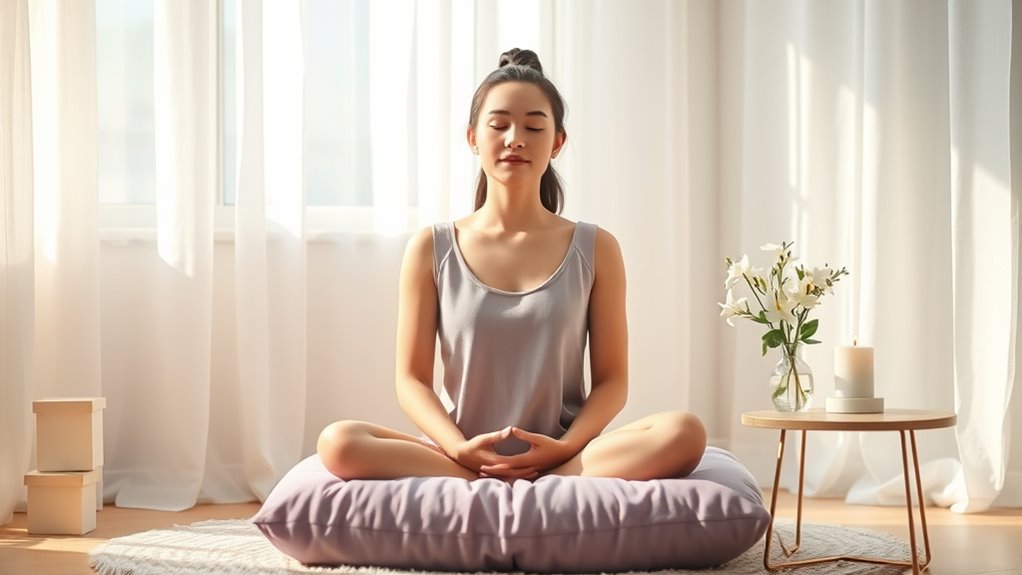
Integrating Loving-Kindness Meditation (LKM) into therapeutic and daily routines can considerably enhance emotional well-being and interpersonal relationships. To do this effectively, set aside dedicated time each day for formal practice, starting with just a few minutes and gradually increasing duration. Incorporate LKM into your daily activities by silently repeating kind phrases during routine tasks like commuting or waiting. In therapy, work with a mental health professional to personalize phrases and adapt practices to your specific needs. Use reminders or visual cues to prompt regular practice. Consistency is key—regular engagement helps reinforce positive emotional patterns and strengthens your capacity for compassion. Additionally, recognizing warning signs of a checked-out partner can help you address relationship challenges proactively. Over time, this integration fosters a more resilient, empathetic mindset that benefits both personal growth and social interactions.
Techniques and Strategies for Effective Practice
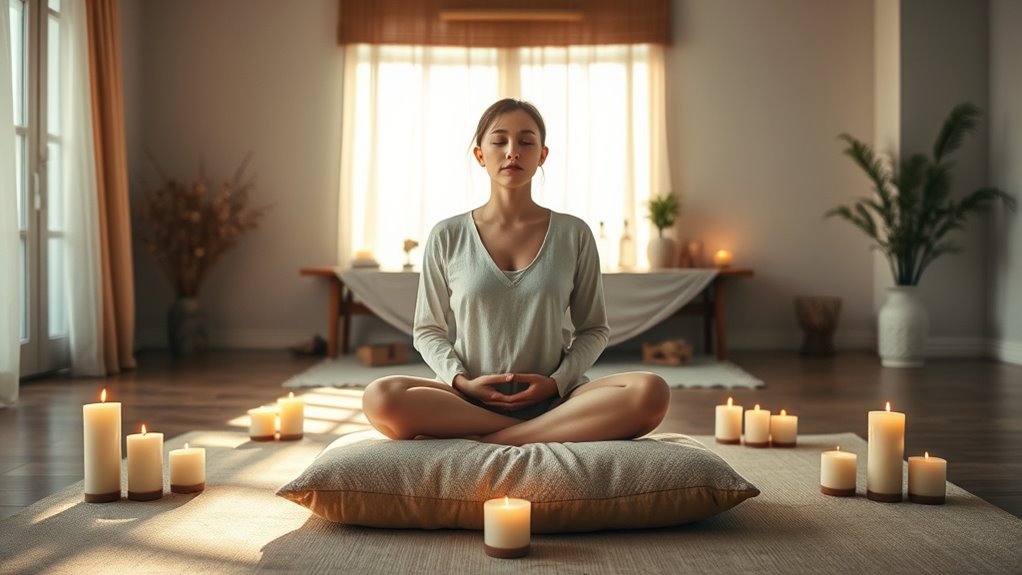
To maximize the benefits of Loving-Kindness Meditation, implementing effective techniques and strategies is essential. Begin by creating a quiet, comfortable space where you won’t be disturbed. Start with a few deep breaths to center yourself, then focus on generating warm, kind feelings toward yourself. Use simple, personalized phrases like “May I be happy and safe,” repeating them silently to deepen your emotional connection. Gradually expand your focus to loved ones, neutral individuals, and difficult people, maintaining a gentle, open attitude. Consistency is key; aim for daily practice, even if only for a few minutes. Keep your attention soft and compassionate, avoiding judgment or distraction. Over time, this mindful approach strengthens your capacity for empathy and emotional resilience. Incorporating mindfulness techniques can further enhance your practice by helping you stay present and focused during meditation sessions.
Long-Term Impact and Personal Growth Through Loving-Kindness Meditation

Long-term engagement with Loving-Kindness Meditation can lead to profound personal growth by gradually reshaping your emotional landscape. Over time, you’ll notice increased self-acceptance, reduced self-criticism, and a stronger capacity for empathy. As your practice deepens, you’ll cultivate more lasting feelings of compassion, happiness, and resilience. The table below highlights key areas of transformation:
| Emotional Growth | Social and Cognitive Changes |
|---|---|
| Greater self-compassion | Improved interpersonal relationships |
| Reduced negative self-talk | Enhanced empathy and understanding |
| Increased emotional resilience | Greater patience and tolerance |
With consistent practice, these shifts become integrated into your daily life, fostering sustained well-being and fostering a compassionate outlook. Developing a mindful approach to thoughts and emotions can further reinforce these positive changes.
Frequently Asked Questions
Can Loving-Kindness Meditation Be Practiced by Children and Adolescents?
Yes, you can practice loving-kindness meditation with children and adolescents. You should tailor the practice to their age, using simple language and short sessions. Encourage them to focus on feelings of kindness toward themselves and others, perhaps with guided phrases or stories. Keep it engaging and positive, helping them develop empathy and emotional regulation. Regular practice can foster compassion, reduce negative emotions, and strengthen social bonds in young people.
How Long Does It Take to See Noticeable Benefits From LKM?
You might begin noticing benefits from loving-kindness meditation in just a few weeks. Imagine your mind gradually opening like a blooming flower, softening toward yourself and others. With regular practice—around 10 to 15 minutes daily—you’ll start to see increased feelings of warmth, reduced stress, and better mood. The more consistent you are, the clearer these positive changes become, transforming your outlook and relationships over time.
Are There Any Risks or Contraindications Associated With Practicing LKM?
You generally won’t face serious risks practicing loving-kindness meditation, but be mindful if you have severe mental health issues like trauma or depression. Sometimes, recalling difficult emotions or people can temporarily increase distress or discomfort. If you notice heightened anxiety or emotional overwhelm, consider consulting a mental health professional or adjusting your practice. Always listen to your feelings and proceed gently to ensure a safe, beneficial experience.
How Does LKM Compare to Other Meditation Techniques in Effectiveness?
Loving-kindness meditation is arguably the most powerful meditation technique out there! Compared to mindfulness or concentration practices, LKM uniquely floods your mind with positive emotions like love and compassion, creating profound emotional and social benefits. It often shows larger effects in reducing depression, anxiety, and hostility. If you’re seeking a practice that transforms your inner world and relationships, LKM’s effectiveness surpasses many other methods, making it truly exceptional.
Can LKM Be Combined With Physical Practices Like Yoga or Tai Chi?
Yes, you can combine loving-kindness meditation with physical practices like yoga or tai chi. Doing so enhances your overall well-being by integrating gentle movement with emotional cultivation. As you practice, focus on generating kindness and compassion while moving mindfully through poses or sequences. This combination boosts emotional regulation, reduces stress, and deepens your sense of connection, making your practice more holistic and beneficial for both body and mind.
Conclusion
By practicing loving-kindness meditation regularly, you can cultivate genuine compassion and deepen your connections with others. Imagine someone who starts sending kindness to themselves and others daily—over time, they notice increased patience and reduced stress. Like them, you’ll experience emotional growth and stronger social bonds. Keep consistent with your practice, and you’ll open lasting benefits that foster a more compassionate, joyful life for yourself and those around you.
NFL season / tailgating Picks
team gear
As an affiliate, we earn on qualifying purchases.