TL;DR
Outdoor patio furniture sets combine coordinated pieces designed for different spaces and needs. Key factors include material durability, climate compatibility, comfort, and proper sizing. With thoughtful choices, your outdoor area can become a cozy, functional retreat for years to come.
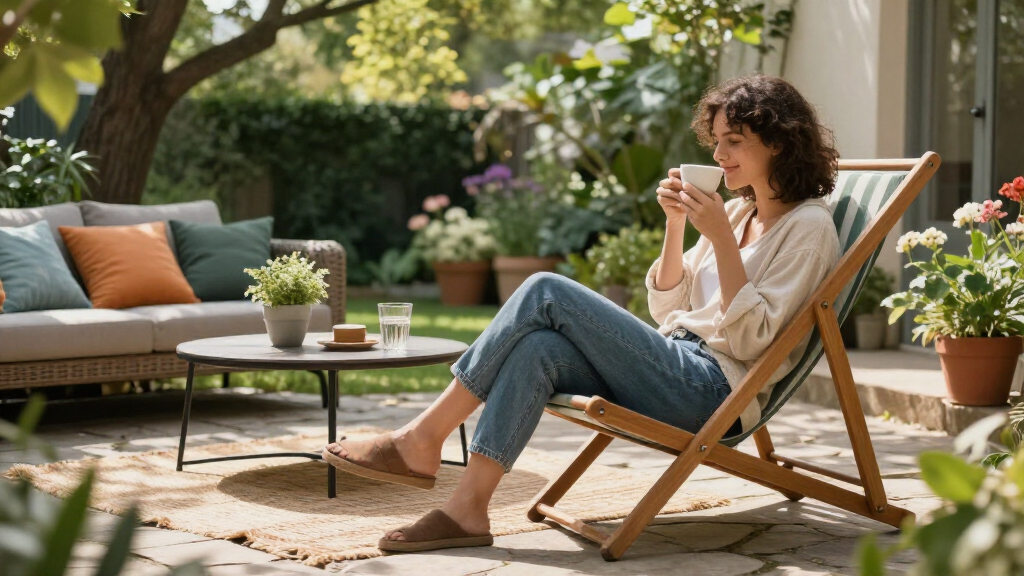
Imagine stepping onto your patio on a bright Saturday morning. The sun warms your skin, and the smell of freshly cut grass fills the air. Your outdoor furniture set is not just a collection of chairs and tables—it’s the foundation for lazy brunches, lively gatherings, and peaceful evenings.
Choosing the right set transforms your outdoor space from a generic backyard to a personal oasis. But with so many options—materials, styles, sizes—it can feel overwhelming. That’s why understanding what to look for makes all the difference. You’ll learn how to pick a set that fits your space, withstands your climate, and invites comfort without breaking the bank.
Measure your space carefully, leaving enough room for movement and accessories like umbrellas or planters.
Choose materials based on your climate—aluminum and resin for humid or coastal areas, teak or wrought iron for traditional or protected spaces.
Prioritize cushions with UV-resistant fabrics and quick-drying foam to stay comfortable and mildew-free.
Test comfort in person or review detailed dimensions when shopping online, focusing on seat height and support.
Maintain your furniture regularly—clean, cover, and store during harsh weather—to extend its lifespan beyond a decade.
How to Pick the Perfect Size for Your Space
Your outdoor space is like a stage. To make it inviting, you need enough room for people to move comfortably. Measure carefully before buying. A common rule: leave about 90 centimeters behind chairs for easy pulling out and walking around. Imagine hosting a dinner for four—if your table is too cramped, your guests won’t relax. Conversely, a set that’s too small might look lost in a large patio.
Think about the flow—are doors, grills, or stairs nearby? Will you want space for an umbrella or a fire pit? For example, on a narrow balcony, a compact bistro set with folding chairs can create a cozy nook without cluttering. Larger decks benefit from sectional sofas that define zones without overwhelming the space.
Pro tip: draw your patio to scale on paper or use an online planner to visualize what fits best. This step saves you from costly returns or regretful purchases.
outdoor patio furniture set with UV-resistant cushions
As an affiliate, we earn on qualifying purchases.
As an affiliate, we earn on qualifying purchases.
Material Matters: Which Outdoor Furniture Lasts the Longest?
Materials are the backbone of outdoor furniture. They determine how well your set withstands weather, how much maintenance it needs, and how it looks over time. Understanding these materials helps you weigh their pros and cons—so you can choose wisely based on your climate and lifestyle. For instance, aluminum resists rust but can get hot in the sun, which might be uncomfortable for bare feet. Teak offers natural oils that resist decay, aging to a beautiful silvery patina, but requires occasional sealing to maintain its appearance. Resin wicker is lightweight and colorful but can become brittle if exposed to extreme cold without proper care. Steel or wrought iron are sturdy but prone to rust if not properly coated, which means more maintenance. Recycled plastic is resistant to moisture and low-maintenance, making it ideal for coastal or windy areas but might lack the weight and stability of heavier materials.
Choosing the right material isn’t just about durability; it also involves tradeoffs. For example, teak is long-lasting and aesthetically pleasing, but its higher cost and maintenance needs might not suit everyone. Aluminum, on the other hand, is budget-friendly and low-maintenance but can heat up or fade over time if not protected. The decision ultimately hinges on your climate, how much effort you’re willing to invest in upkeep, and your aesthetic preferences. A well-informed choice ensures your furniture remains functional and attractive, reducing the need for early replacement and saving money in the long run.
rust-proof aluminum outdoor dining set
As an affiliate, we earn on qualifying purchases.
As an affiliate, we earn on qualifying purchases.
How to Pick Cushions That Stay Fresh and Dry
Outdoor cushions can turn a hard, uncomfortable chair into a cozy throne. But not all cushions are created equal. To avoid mildew, stains, and fading, look for fabrics labeled as UV-resistant and water-repellent. They’re designed to handle sun and rain without falling apart.
For example, cushions filled with quick-drying foam and covered in solution-dyed acrylic fabric dry faster and resist mold. Ventilated cushions with removable covers make cleaning a breeze. When heavy rain is forecast, store cushions indoors or cover them with breathable, well-fitted covers.
Pro tip: invest in cushions with ties or clips to keep them from blowing away. And if you notice a stain, treat it immediately with mild soap and water—waiting makes it worse.
Choosing cushions with these features matters because it directly impacts the longevity and appearance of your outdoor furniture. High-quality, water-resistant fabrics prevent mold buildup, which can lead to unpleasant odors and deterioration over time. Quick-drying foam reduces the risk of persistent moisture that fosters mold and mildew, maintaining a fresh look and feel. Removable covers make routine cleaning easier, extending the life of your cushions. Overall, investing in durable cushions means less hassle and more comfort, ensuring your outdoor seating remains inviting for seasons to come.
As an affiliate, we earn on qualifying purchases.
How Climate Shapes Your Furniture Choices
Your local weather is a major factor in choosing outdoor furniture. Hot, sunny spots demand fade-resistant fabrics and UV-protected frames. If you live in a rainy or humid climate, opt for rust-proof metals and quick-drying cushions. Coastal areas? Look for marine-grade hardware that withstands salt air.
For example, a homeowner in Florida chose aluminum and acrylic cushions. After five years, her set looks almost new—faded colors and all. Meanwhile, someone in Vermont opts for covered storage and sealed teak that ages gracefully through seasons.
Remember: no furniture is completely maintenance-free. The key is selecting materials suited to your environment and planning for protective covers or storage during harsh weather. For instance, choosing rust-resistant metals in humid climates prevents corrosion, while covering furniture during winter or storms protects it from extreme conditions. Understanding your climate helps you avoid premature deterioration, saving money and effort in repairs or replacements. The right choice enhances longevity and keeps your outdoor space looking great year-round.
compact bistro patio furniture set
As an affiliate, we earn on qualifying purchases.
As an affiliate, we earn on qualifying purchases.
Test Comfort Before You Buy
Appearance can be deceiving—what looks plush online might feel flat in person. To ensure comfort, test the seating height, depth, and back angle. Sit down, lean back, and imagine yourself relaxing for hours. For example, a friend bought a deep sofa that looked inviting but turned out to be too low for her back.
If shopping online, scrutinize detailed dimensions. Pay special attention to seat height—around 45 cm is comfortable for most adults—and armrest height. Remember, cushions with firm support prevent sinking and back pain.
Pro tip: visit a showroom when possible. If not, choose brands with generous return policies and read reviews about comfort and durability.
Understanding comfort is crucial because furniture that looks appealing but isn’t comfortable will discourage use, defeating the purpose of your outdoor space. Proper seat height and support help maintain good posture and reduce fatigue, making your outdoor area more inviting for long conversations or relaxing afternoons. Testing in person allows you to assess these factors directly, while online reviews can reveal real-world comfort levels, helping you make an informed decision that enhances your outdoor living experience.
Spot the Quality Signs That Last
Not all furniture is built the same. Quality indicators include welded joints, sturdy hardware, and tightly woven wicker. For example, a high-end sectional will have seamless welds and stainless-steel fasteners. Cheaper pieces might wobble or have loose ends.
Check the weight—heavier usually means better quality. Look for adjustable feet for uneven decks and a protective powder coating on metal frames. Cushions should have dense foam with reinforced stitching. And always verify that replacement parts are available, so your set can be repaired rather than replaced.
Pro tip: review customer photos and long-term reviews. They reveal real-world wear and tear that product photos often hide.
Recognizing quality signs is essential because it directly impacts the durability and safety of your outdoor furniture. Welded joints and sturdy hardware ensure stability and reduce the risk of breakage, especially over time and with frequent use. Heavier furniture often indicates better materials and construction, which can withstand wind and accidental bumps. Features like adjustable feet help maintain stability on uneven surfaces, preventing wobbling or tipping. Checking for available replacement parts means your investment can be maintained rather than discarded, saving money and reducing waste. These indicators help you select furniture that will serve you well for years, providing safety, comfort, and value.
Caring for Your Outdoor Furniture to Make It Last
Proper maintenance can extend the life of your patio set by years. Regularly remove debris, wash surfaces with mild soap and water, and treat stains promptly. For example, wiping down aluminum frames monthly prevents buildup that can cause corrosion.
Use covers that fit snugly but allow ventilation—otherwise, trapped moisture invites mildew. Store cushions indoors during winter or rainy seasons. For wooden pieces like teak, apply oil or sealant every 1-2 years to maintain the warm glow.
Remember: a little effort goes a long way. Clean, cover, and store properly, and your set will reward you with years of enjoyment.
Consistent care is critical because outdoor furniture is constantly exposed to environmental elements that accelerate wear and tear. Regular cleaning removes dirt, pollen, and other debris that can degrade finishes or promote mold growth. Applying protective coats or sealants on wooden or metal frames forms a barrier against moisture, rust, and UV damage, significantly extending their lifespan. Proper storage during harsh weather — like winter snow or heavy rain — prevents unnecessary deterioration and preserves the furniture’s appearance and structural integrity. Investing time in routine maintenance not only preserves the aesthetic appeal but also reduces long-term costs by delaying replacements, ensuring your outdoor setup remains beautiful and functional for years to come.
Safety First: Avoiding Accidents and Hazards
Safety isn’t just about avoiding injuries; it’s about creating a secure environment. Tempered glass tops are safer if they break—shattering into small, blunt pieces. Ensure umbrellas have sturdy bases, especially in windy areas. For example, a family with children prefers heavy bases or weighted sandbags to prevent tipping.
Keep fire-pit furniture at safe distances, and check for sharp edges or unstable pieces. Also, make sure furniture is stable on uneven ground to prevent tipping or slipping. Small details—like pinch points or protruding screws—can cause accidents.
Pro tip: regularly inspect your furniture and hardware for damage. Safety isn’t a one-time check—it’s ongoing.
Prioritizing safety is vital because accidents can lead to injuries, especially in households with children, pets, or elderly family members. Using tempered glass for table surfaces reduces the risk of dangerous shards if broken, while heavy, stable bases for umbrellas and furniture prevent tipping over in windy conditions. Regularly inspecting hardware and structural components helps identify wear or damage that could cause instability or sharp edges. Ensuring furniture is level on uneven surfaces prevents slips and falls, which are common outdoor hazards. Small proactive steps—like tightening loose screws or replacing damaged parts—can avert accidents before they happen. Making safety a routine part of maintenance protects everyone and preserves your outdoor environment as a secure, enjoyable space.
Frequently Asked Questions
What is the best material for outdoor patio furniture?
There’s no one-size-fits-all. Powder-coated aluminum offers a great balance of low maintenance and rust resistance. Teak is durable and ages gracefully, but it costs more. Recycled plastic is sturdy and environmentally friendly. Choose based on your climate, budget, and style preferences.Can outdoor furniture stay outside all year?
Some furniture is designed for year-round outdoor use, especially if made from rust-proof metals and weather-resistant cushions. However, most will last longer with protective covers or storage during harsh winter months or heavy rain. Regular maintenance helps prolong their lifespan.Is outdoor furniture waterproof?
Most furniture is weather-resistant rather than fully waterproof. Fabrics, foam, and seams may respond differently to prolonged moisture. Always check product labels and plan for covers or storage during extended rain or snow.How long should a patio furniture set last?
With proper care, quality sets can last 10 years or more. Cheaper options may fade or rust within 3-5 years. Climate, material, and maintenance are key factors in longevity.How do I prevent patio furniture from blowing away?
Choose heavier pieces or anchor lightweight furniture with straps or stakes. Use weighted bases for umbrellas and close them during storms. Store cushions and loose items indoors or in windproof storage to avoid accidents.Conclusion
Your outdoor space is an extension of your home—a place to unwind, entertain, and reconnect with nature. Picking the right furniture set isn’t just about style; it’s about creating a durable, comfortable environment that withstands your climate and lifestyle.
Invest time in measuring, material choice, and understanding care needs. With those steps, your patio will stay inviting and beautiful for years. After all, a well-chosen set turns outdoor living from a fleeting summer fling into a year-round retreat.